A northern house wren carrying a twig into a student-built bird box

CK Finding Fauna · Conservation

Getting Involved:Lake JonahProject

Lake Jonah is one of two major bodies of water on CK campus. Unlike Kingswood Lake, Lake Jonah was man-made and used to be a pool! In 1999, the pool closed, and it has sat for the last 20 years undisturbed. Now it hosts various species of frogs and fish — however, due to run-off and invasive species, many native species in Michigan have been killed or pushed off of the water and surrounding area. As a community, we have a duty to take care of our environment, especially spaces we created.

01 — The mission

The Lake Jonah Project

The Lake Jonah Project aims to restore Lake Jonah's environment. Through building bird boxes, planting native foliage, and introducing native fish to eat invasive goldfish, students can get involved in a hands-on conservation project on campus.
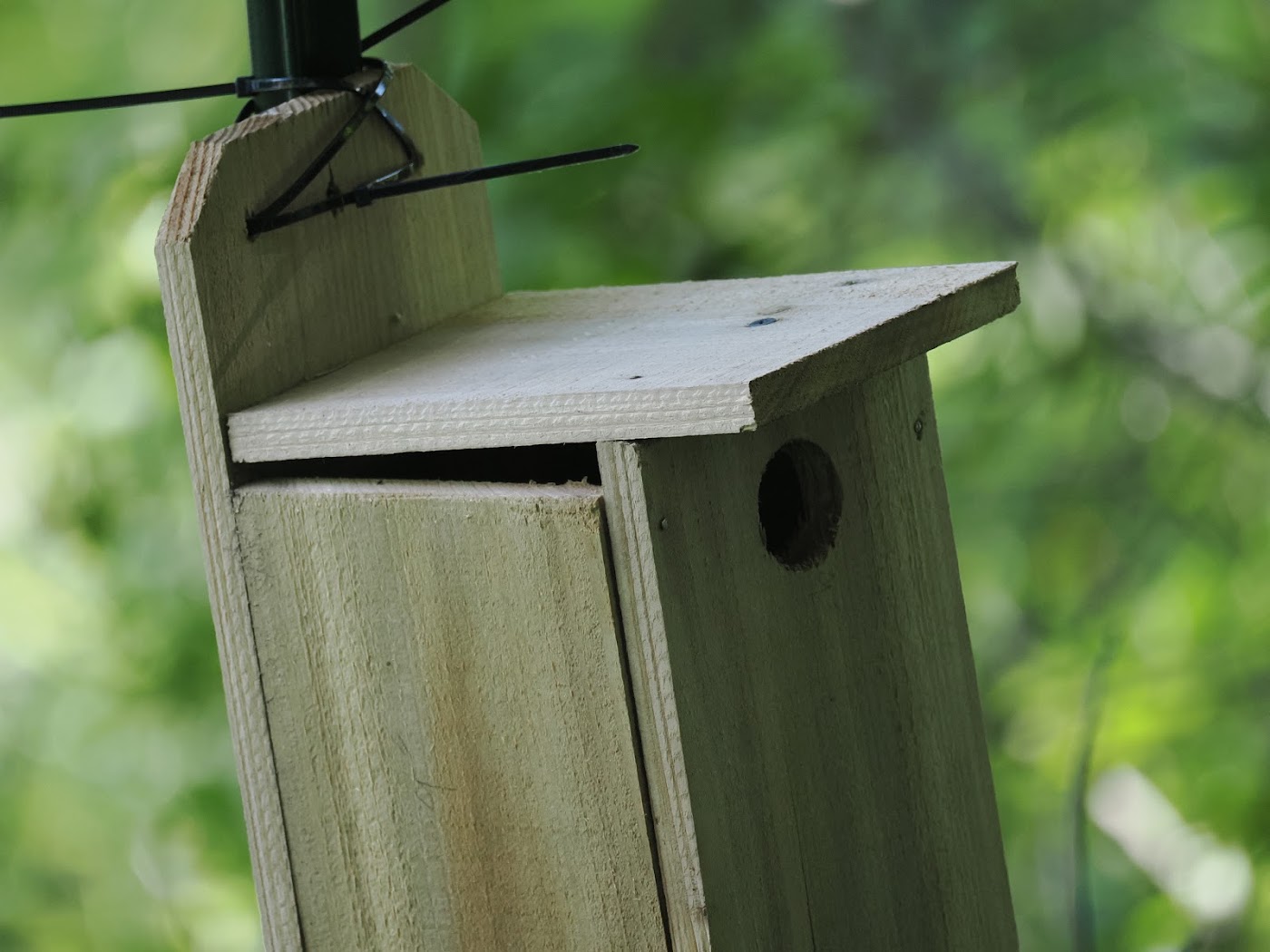
A bird box built by students for the Lake Jonah Project
The Lake Jonah environment today

How to Get Involved

Through Bee Club's conservation sector, or through your own contributions to citizen science, you can get involved in helping restore CK's natural habitats! Look out for Bee Club invasive-species pulling ventures, check for native foliage plantings, or go for a walk on your own and document what plant life you locate around campus to let us know what is in the area!

Lake Jonah Project Website

Follow the link on this page to the Lake Jonah Project website. There you will see pages for logging native plants, invasive removal, carbon dioxide consumption by trees on campus, and a timeline for all logs. To start identifying native plants on campus, download any of these free apps — iNaturalist, PictureThis, or PlantNet — and identify native plants via photos!

Citizen Science

Citizen science is the process of citizens — non-scientists — helping with data collection for research. As a community, we can participate by going on quick walks and identifying one or two plants! This way we can log what time of year plants grow, where they are located, and the survival status of native species competing against invasives — and focus our energy where the data says it matters.